

Why Tūī Don’t Use Some Nectar Feeders
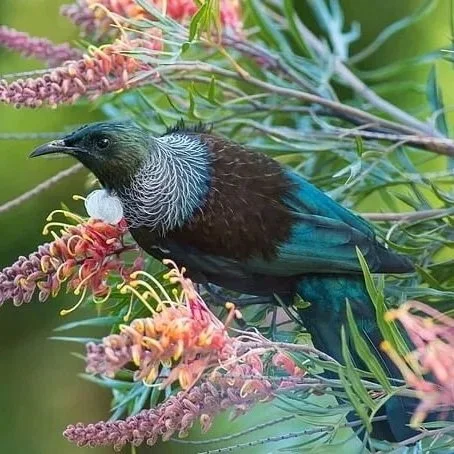
Learn how to attract Tūī naturally.
If you’ve ever put up a nectar feeder and waited excitedly for Tūī to arrive… only for them to completely ignore it, you’re definitely not alone.
When I first started feeding native birds, I quickly realised many nectar feeders sold in New Zealand weren’t really designed for our birds at all. Most are based on overseas hummingbird feeders made for tiny birds with very different feeding habits.
Tūī are bigger, bolder and far more cautious. What works beautifully for a hummingbird often just won’t work for our large New Zealand Tūī.
The more time I spent watching birds in our garden, the more I noticed the same patterns. Some feeders simply didn’t feel natural or comfortable for them.
That’s actually one of the reasons Kohab started. I wanted to create feeding products that worked better for our native birds while still looking beautiful in the garden too.
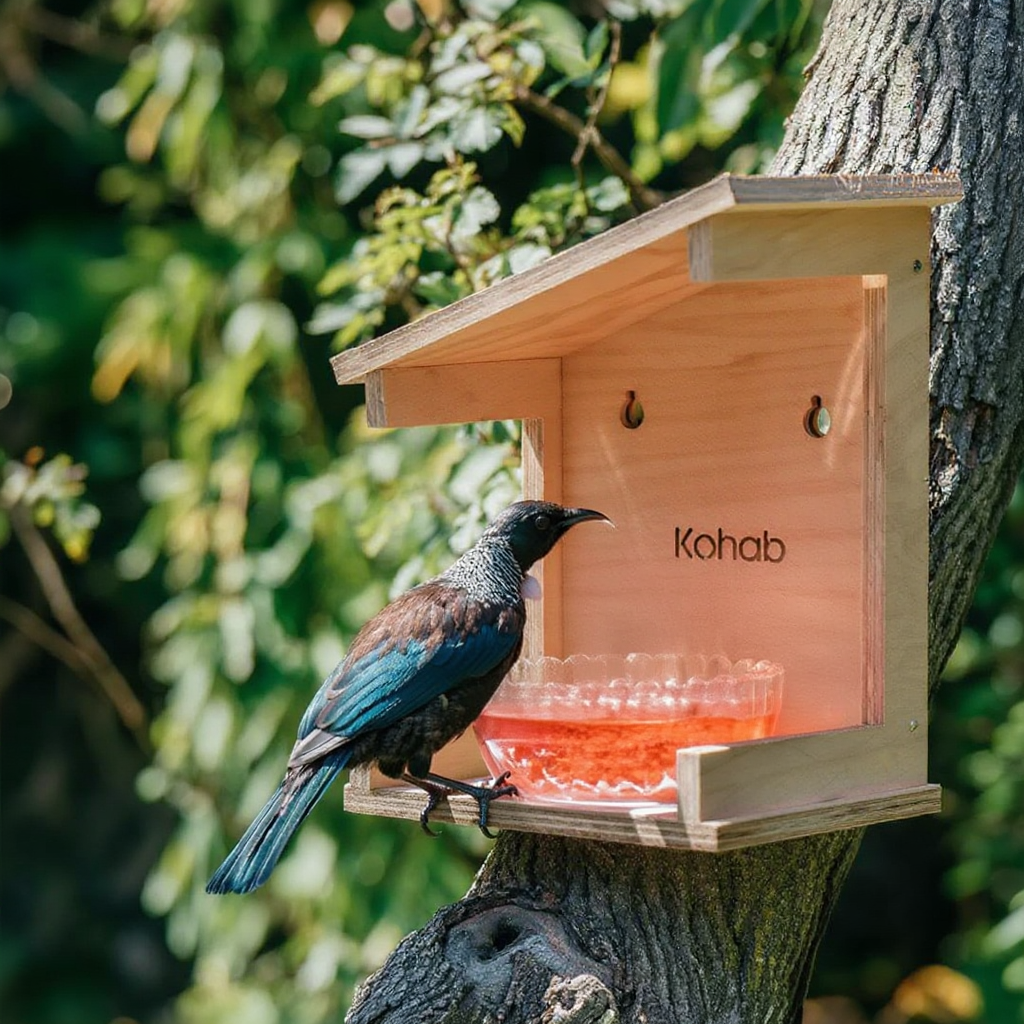
A Tūī on the famous Kohab Bird Feeder
Why Some Tūī Nectar Feeders Don’t Work
The perches are too small:
One of the biggest issues is perch size.
Many imported nectar feeders are designed for tiny birds to cling on to. Tūī are much larger and need space to land comfortably and feel stable. If a feeder feels awkward or unsafe, they’ll often avoid it altogether.
That’s why open platform style feeding works so well for native birds. It gives them room to perch naturally and move around more confidently while feeding.
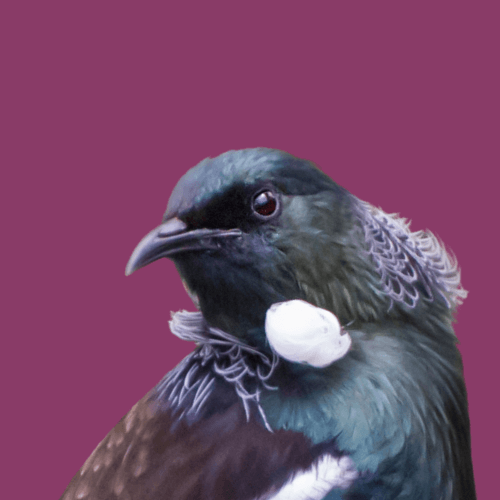
Tūī have long curved beaks that tend not to fit in small nectar feeder ports.
The feeding holes can be too small:
Many nectar feeders are made with tiny feeding ports suited to hummingbirds.
Tūī feed differently. They have long curved beaks and tend to prefer easier, more open access to nectar, where they can still clearly see what’s happening around them while they feed.
They can be frustrating to clean:
This one matters more than people realise.
Nectar feeders need regular cleaning, especially during warmer months. Old nectar can quickly ferment or grow mould, which isn’t good for birds.
Good hygiene is also extremely important for helping reduce the spread of bacteria and bird diseases between visiting birds, especially when multiple birds are feeding from the same area regularly. A quick thorough clean helps ensure the feeder stays safe and healthy for visiting birds.
If a feeder is fiddly and difficult to clean properly, it often doesn’t get cleaned often enough.
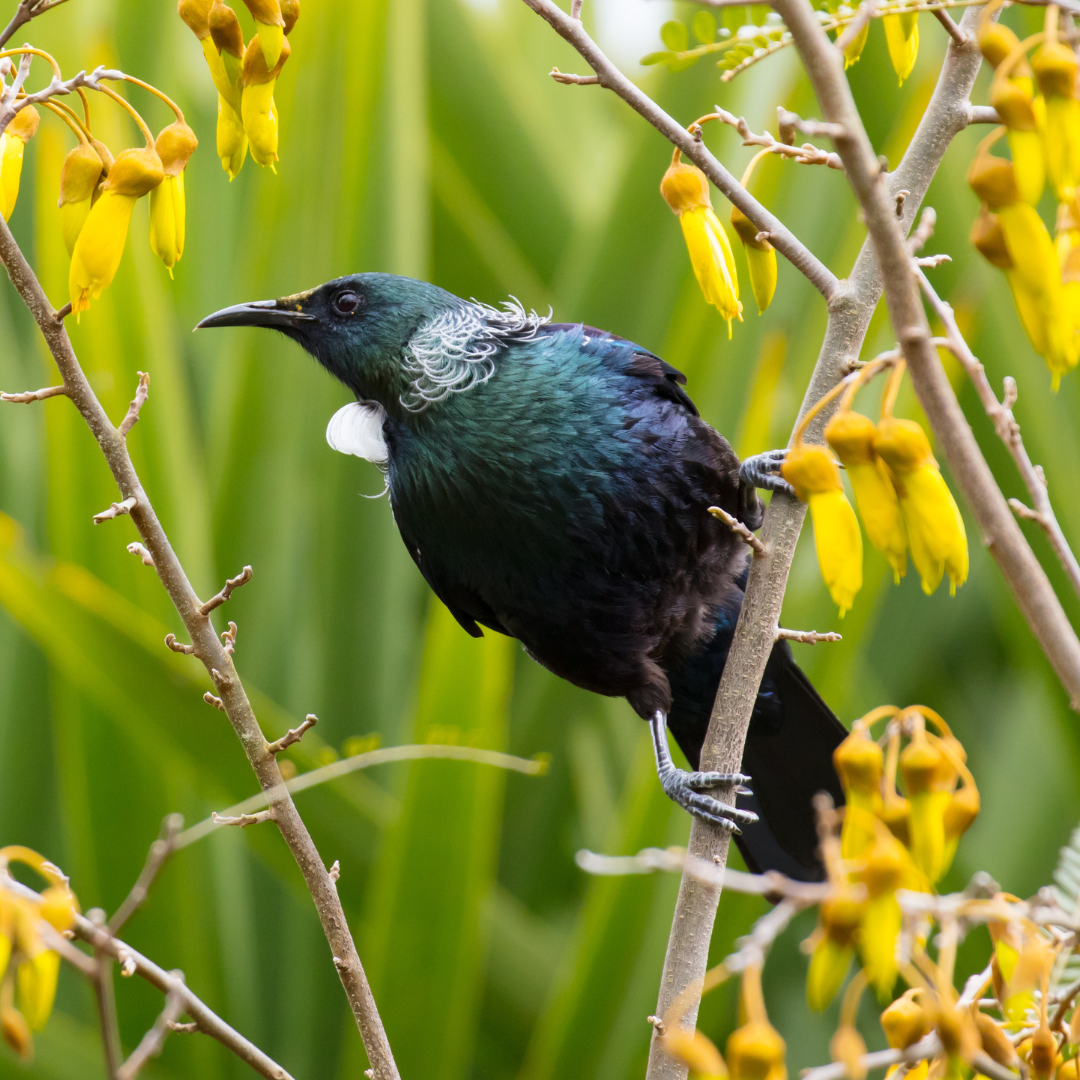
What Tūī Look For In A Nectar Feeder
After years of feeding birds in our own garden, a few things really stand out.
Tūī seem to love:
• open feeding spaces
• stable perches
• easy access to food
• nearby trees and shelter
• fresh nectar and fruit
• feeding spots that feel calm and safe
Once they trust a space, they’ll often keep coming back.
And honestly, hearing that distinctive Tūī call outside never gets old.
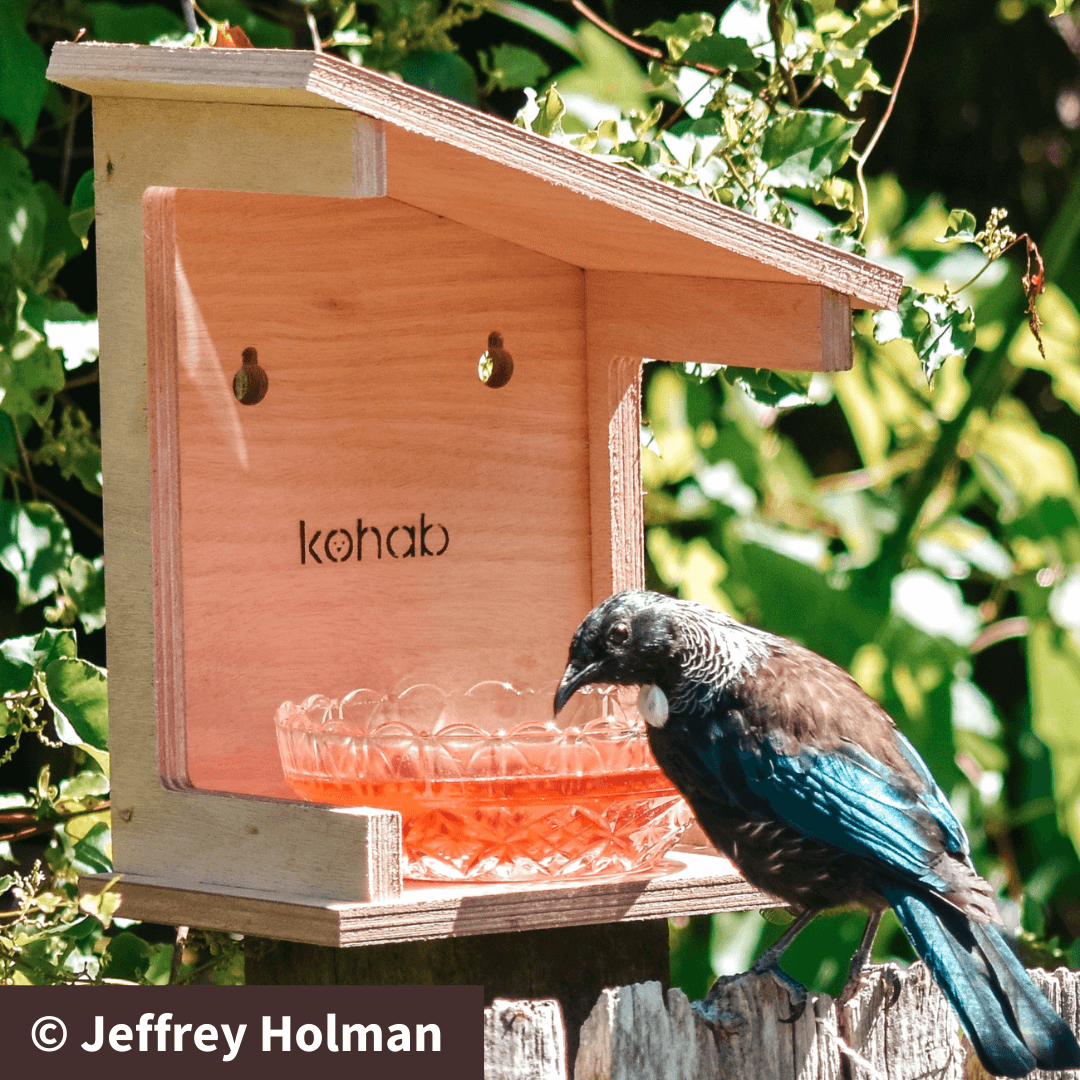
The Kohab Bird Feeder is perfect for the large Tūī
The Best Feeding Setup For Tūī
One of the simplest setups we’ve found is combining nectar and fruit in one feeding space.
The Kohab Bird Feeder was designed specifically with larger New Zealand birds in mind, using an open platform style that gives birds room to perch comfortably.
One thing I especially love is the removable bowl.
It can be used for nectar, but also works beautifully for fruit too. We regularly use ours for orange slices and chopped apple which the birds absolutely love.
That flexibility means you can easily change food seasonally or attract different types of birds to the same feeder.
You can explore the Kohab Bird Feeder and native bird feeding collection to create your own feeding setup at home.

Kohab Nectar is a Tūī favorite and is packed with extra nutriants and minerals to give them a natural boost.
Why Nectar Makes Such A Difference For Tūī
Adding nectar is one of the best ways to attract Tūī into the garden, especially during colder months when natural food sources can be lower.
Kohab Nectar was developed to help supplement natural diets with high-energy ingredients and includes beetroot for natural colour and added nutrients.
Any uneaten nectar should always be changed regularly, particularly in warm weather - although it's unusual that any is ever left over.
Our Kohab Nectar was created specifically for New Zealand native birds and works beautifully alongside fresh fruit feeding too.
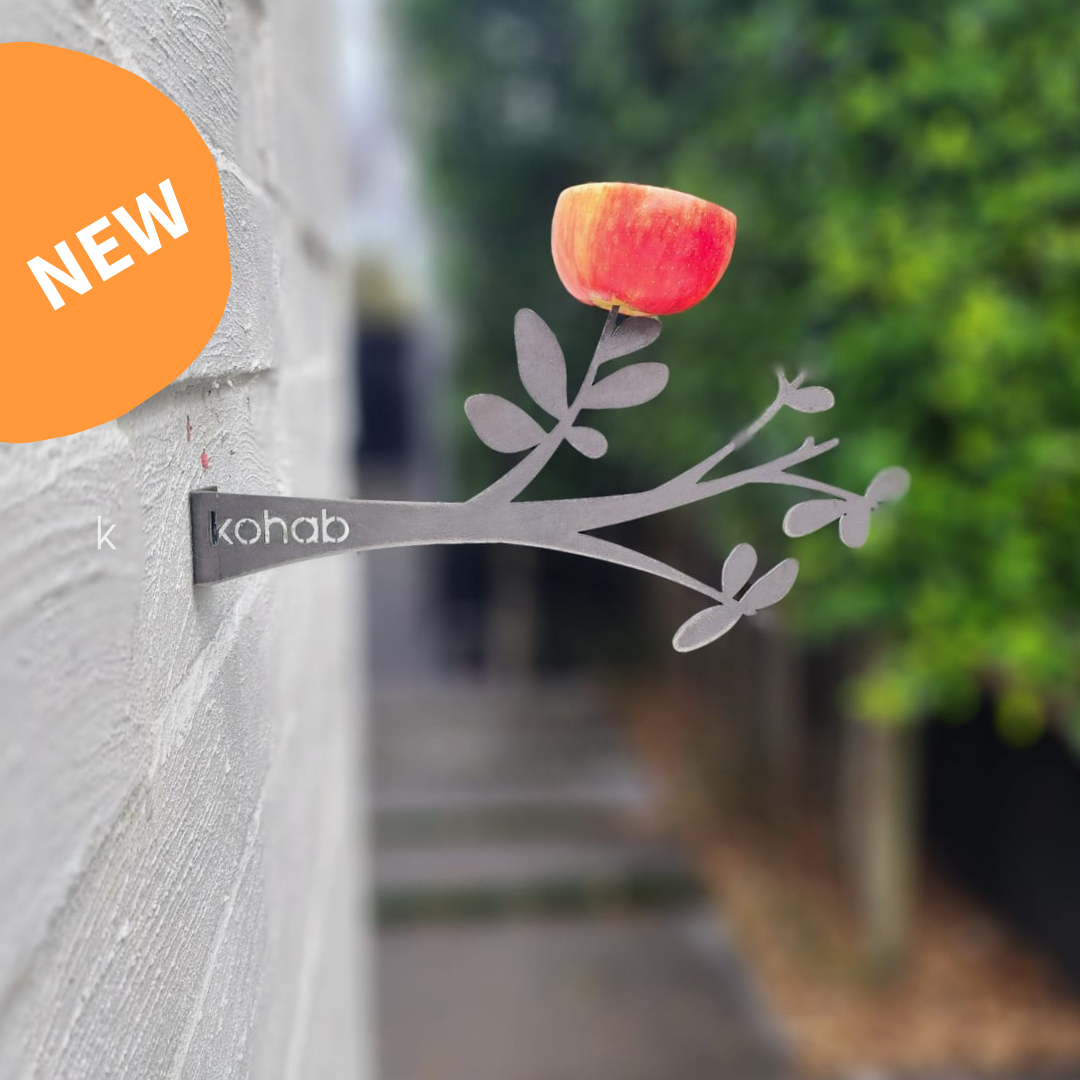
The Kohab Bird Branch is another simple and beautiful way to offer fruit to your garden birds, and is sturdy enough for Tūī to enjoy too.
Fruit Feeders Are Brilliant For Native Birds Too
Tūī absolutely love fresh fruit (so do Silvereye and Bellbird, even Blackbirds and Song Thrush will visit).
Orange halves are usually the first thing to disappear in our garden.
The Kohab Bird Branch is another simple and beautiful way to offer fruit while creating more feeding opportunities around the garden. They also look lovely amongst plants and greenery rather than feeling overly plastic or commercial.
Combining fruit with nectar often attracts a wider range of native birds.
Where To Place A Tūī Nectar Feeder
Even the best Tūī feeder won’t work well if it’s in the wrong spot.
Birds are much more likely to visit feeders that feel protected and natural.
Try placing feeders:
near trees or shrubs
somewhere sheltered from strong wind
away from busy walkways
where birds can perch nearby before landing
Tūī are curious but cautious. They’ll often sit and observe a feeding station for quite a while every time they visit before deciding it’s safe.
The Kohab Bird Branch is also lovely for this, especially if you don’t have suitable trees or hanging spots nearby. It creates an elevated feeding space on fences or walls and helps bring birds closer to where you can enjoy watching them.
Creating A Garden Birds Want To Return To
One thing I’ve learned over time is that birds don’t just come for food. They come for spaces that feel safe and inviting.
Using a combination of:
• nectar
• fruit
• water
• native plants
• sheltered perches
This combination will help create a garden that birds genuinely want to spend time in. For us, it was never just about putting out a feeder, but about creating a space where birds actually wanted to visit and spend their time.
And honestly, when your garden is alive with birdlife that’s where the magic really starts.
Frequently Asked Questions About Tūī Feeders
What is the best nectar feeder for Tūī?
Tūī tend to prefer stable, open style feeders with enough room to perch comfortably. Platform style feeders often work better for larger New Zealand birds than small imported hummingbird feeders.
Can Tūī drink sugar water?
Many people use homemade sugar water, but it’s important to prepare it correctly and clean feeders regularly. Fresh nectar should never be left sitting too long, especially in warm weather.
Why aren’t birds using my feeder?
Birds often need time to discover and trust a new feeding space. Placement, nearby shelter, feeder stability and fresh food all make a big difference.
Where should I hang a Tūī feeder?
Tūī feeders work best near trees or sheltered garden areas where birds feel safe approaching and have nearby places to perch before landing.
What fruit do Tūī like best?
Orange halves are usually a favourite, along with apple.
Final Thoughts
A lot of nectar feeders simply aren’t designed with New Zealand birds in mind.
But with the right setup, a little patience and food that works naturally for larger native birds, it’s amazing how quickly a garden can come alive.
Once Tūī start visiting regularly, it completely changes the feeling of your outdoor space. There’s something incredibly calming and special about sharing your garden with native birds every day. And once it starts, you’ll probably find yourself watching the feeder far more than you expected.
The Kohab Bird Feeder was designed for NZ’s large Tūī.
The Kohab Bird Branch is perfect for offering fruit to your garden birds.
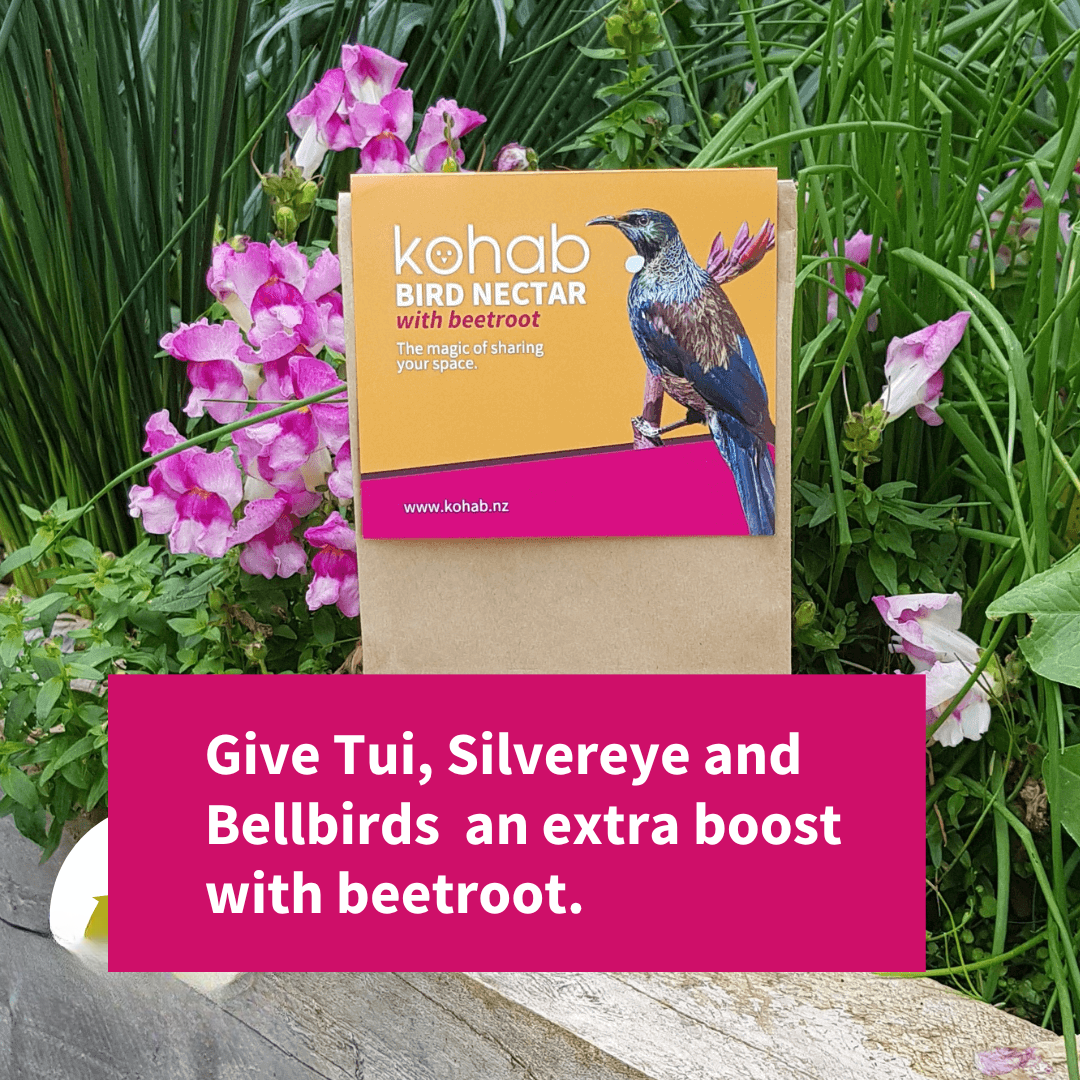
Kohab Bird Nectar is perfect to attract Tūī and other native birds to your garden.